- Home
- Gantry Crane
Gantry Cranes: An Overview
Introduction
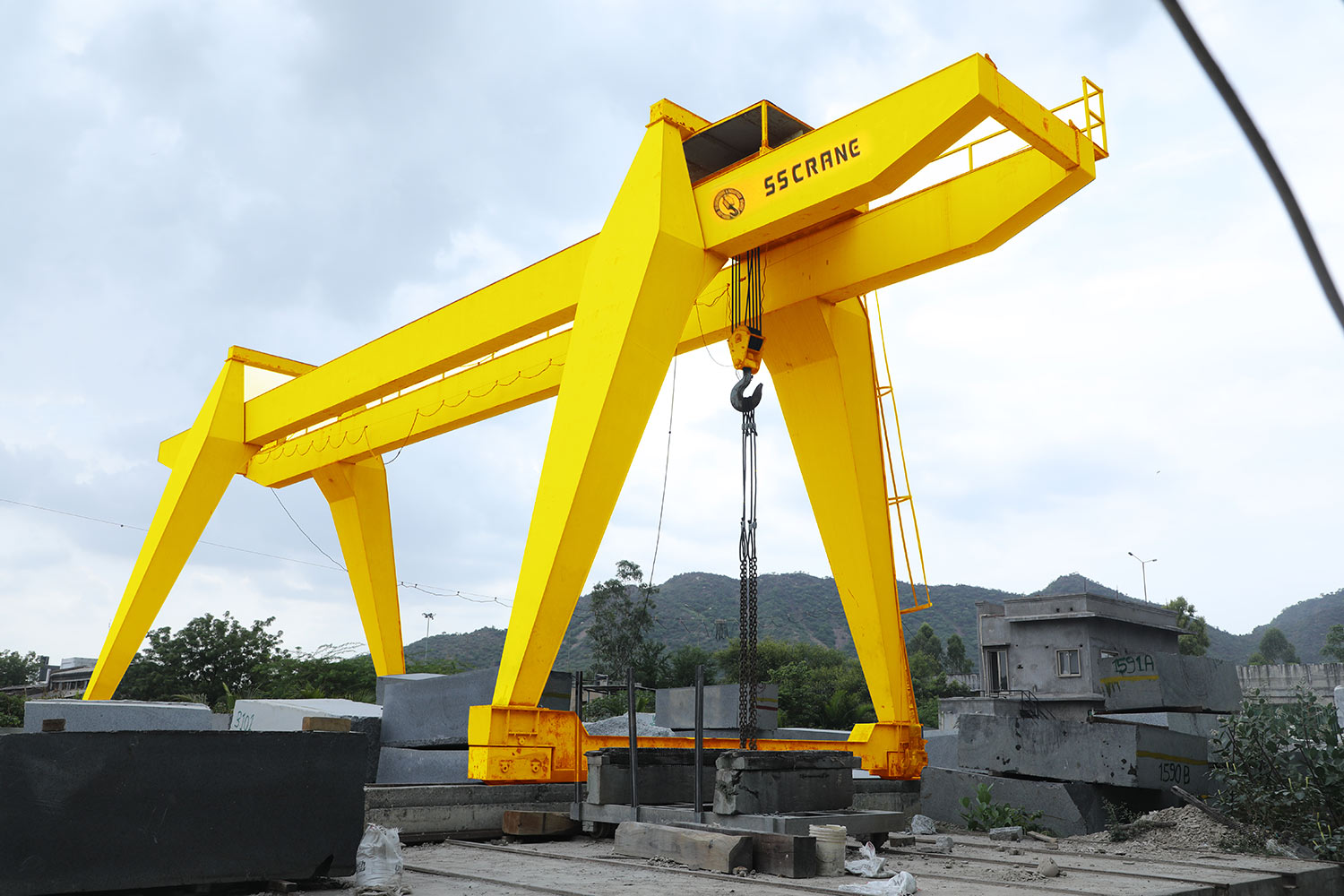
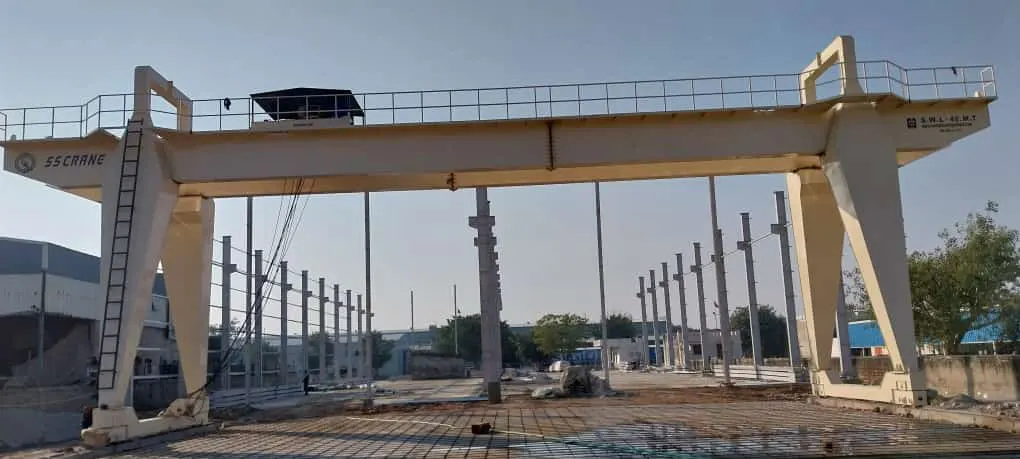
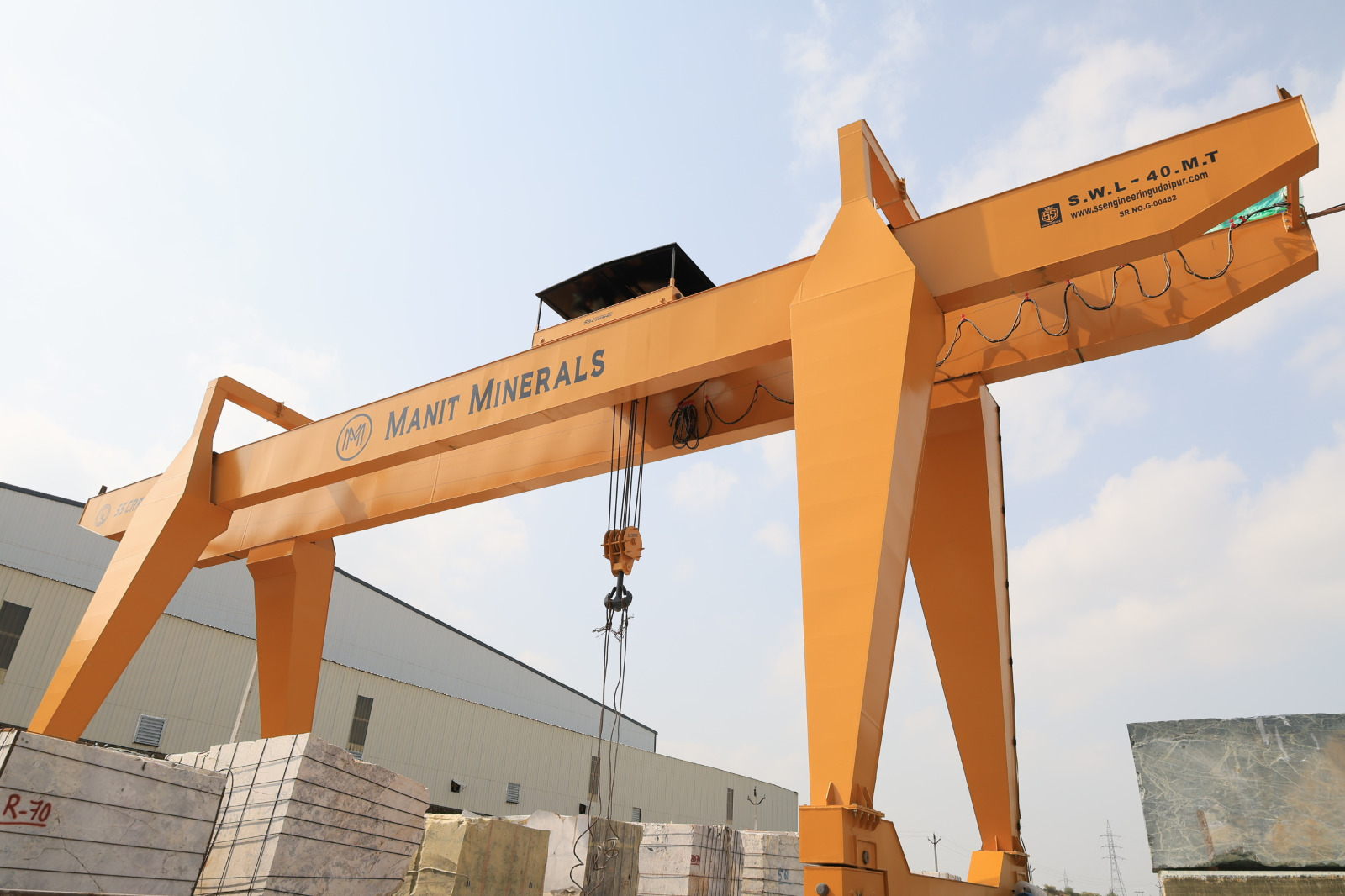
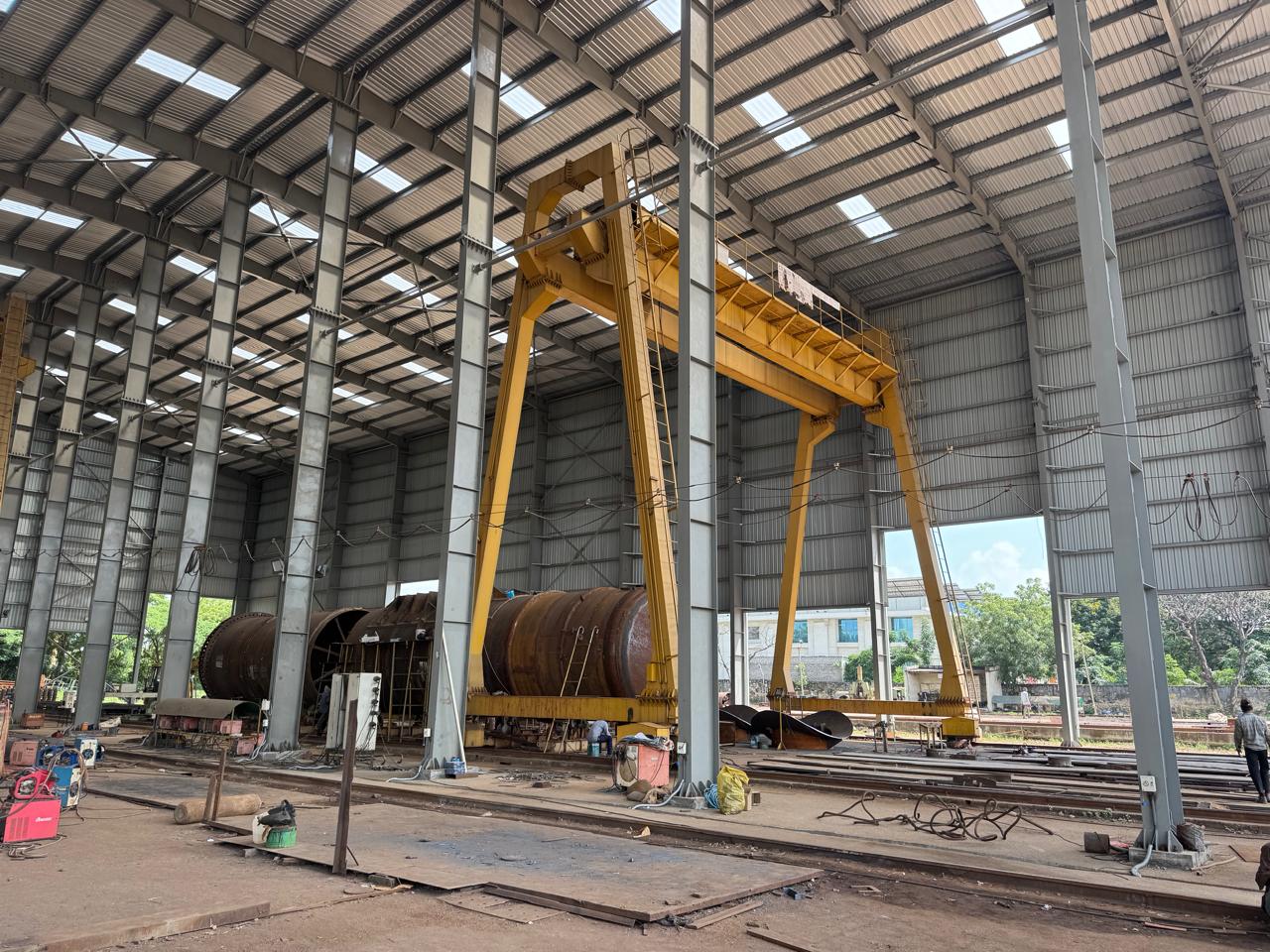
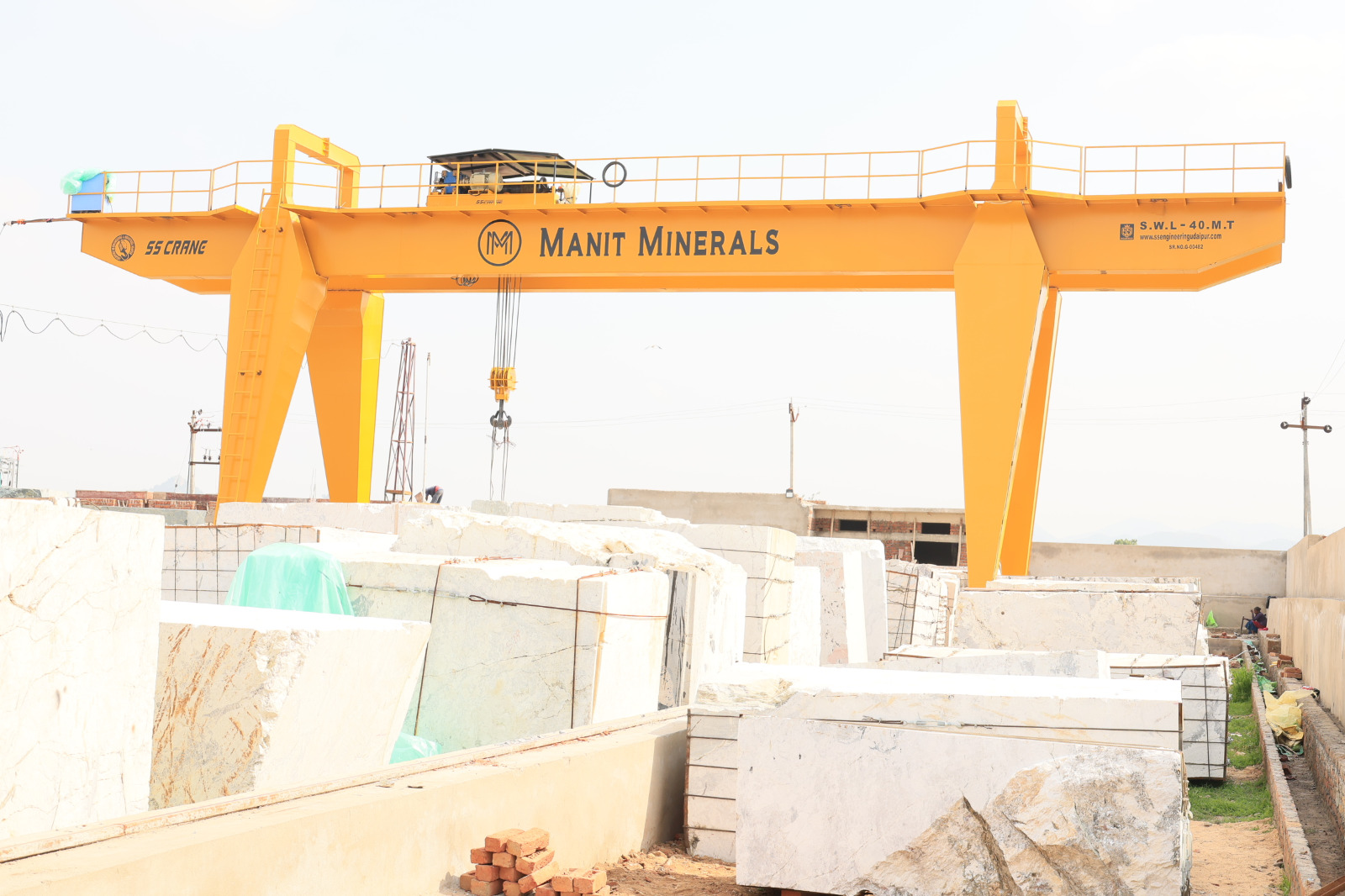
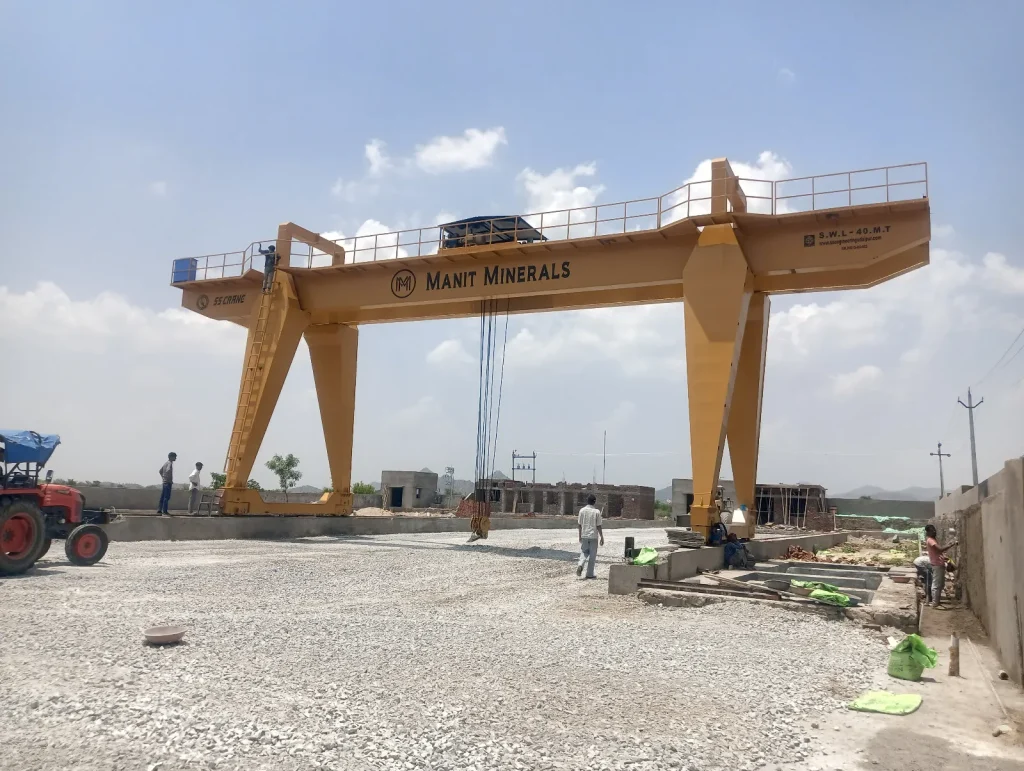
A Gantry Crane is a type of overhead lifting equipment distinguished by the fact that the entire crane structure (the bridge, trolley, and hoist) is supported by freestanding legs that travel on wheels, a track, or a rail system installed at ground level. Unlike overhead or bridge cranes that are fixed to a building’s support structure, gantry cranes are self-supported.
This design makes them highly versatile, particularly suitable for outdoor use, large-area lifting, or applications where installing an overhead runway system is impractical or too costly. Their lifting capacity can range from small, portable units capable of lifting a few hundred pounds to massive cranes capable of lifting hundreds of tons, commonly seen in shipyards.
Key Features
Gantry cranes are valued in heavy industry due to their inherent design advantages and functional characteristics:
1
Self-Supported Structure
They do not rely on the building's support structure, eliminating the need for expensive permanent runway beams and support columns. This saves on structural costs.
2
Versatility and Flexibility
Their ability to operate on ground-level rails or rubber tires allows for both indoor and outdoor applications, covering vast work areas like stockyards or shipping terminals.
3
High Load Capacity
They are designed to handle significant loads, ranging from a few tons (portable models) to hundreds or even over a thousand tons (large shipyard cranes).
4
Excellent Space Utilization
They straddle the workspace, allowing forklifts and other traffic to pass underneath the crane's structure.
5
Customizability
They can be highly customized in terms of height, span, and load capacity to meet specific project or facility requirements.
6
Simplified Maintenance
Since many operating parts, like the legs and wheels, are at ground level, inspection and routine maintenance are often easier than for fixed overhead bridge cranes.
Usage and Applications
The primary use of a gantry crane is to lift, move, and lower heavy loads with precision over a dedicated area or a wide span.9 Their mobility and high capacity make them indispensable in numerous heavy industries:
| Industry/Sector | Typical Application |
|---|---|
|
Ports and Shipping |
Loading and unloading intermodal containers onto/off container ships (Container Gantry Cranes/STS cranes). |
|
Shipbuilding |
Moving massive hull sections and large ship components for assembly and construction. |
|
Construction |
Lifting and positioning heavy materials like precast concrete beams, steel girders, and large construction blocks (e.g., bridge and subway construction). |
|
Manufacturing/Fabrication |
Handling large assemblies and heavy components in steel yards, metal processing, and heavy machinery workshops. |
|
Railways/Logistics |
Transferring heavy cargo and containers in rail yards and logistics depots. |
|
Automotive/Maintenance |
Smaller, portable gantry cranes are used in garages and workshops for tasks like lifting and installing car engines or machinery. |
|
Warehousing/Storage |
Handling and stacking heavy goods and materials in large outdoor storage yards. |